
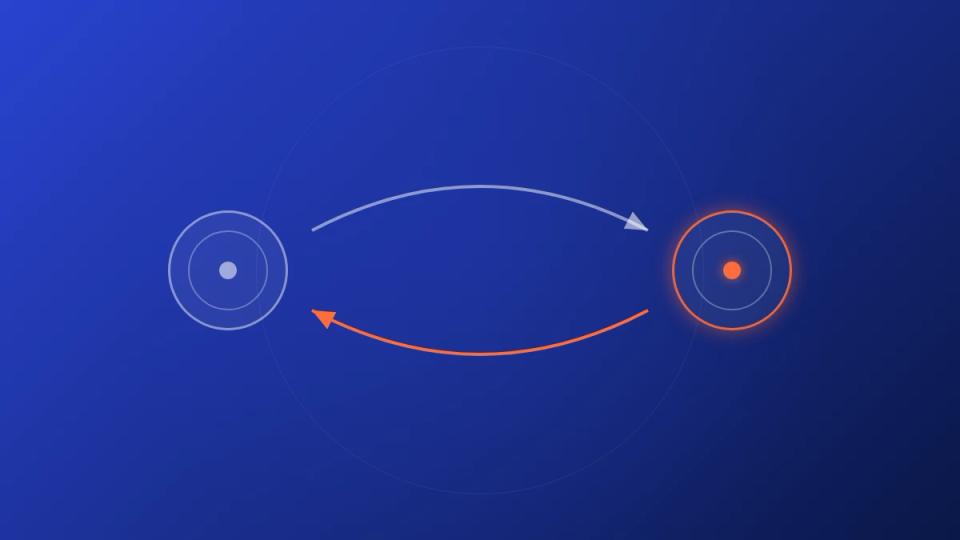
Repost for repost means two channel owners agree to repost each other's picks, no money involved. It still works when both channels are roughly the same size and play the same genre. It stops working the moment one channel outgrows the other. Here's how the trade actually runs, when it pays off, and when to look at other options instead.
What repost for repost means on SoundCloud
A repost for repost trade is simple. You repost a track from another channel, and that channel reposts one of your picks back, usually within an agreed window of a day or a week. No cash changes hands. It runs on trust and a rough sense of fairness between two channel owners who both want more ears on their reposts.
Trading makes the most sense for a channel that has no real pull of its own yet. Before a channel builds an audience worth chasing, swapping reposts with other small channels in the same genre is one of the few ways to get a track in front of people outside its own follower list. It is cheap, it is fast, and it works because both sides are starting from the same place.
Most channels that trade this way are new, run by a bedroom producer or a fresh imprint that hasn't built enough of an audience to charge for a repost yet. Nobody is paying anybody. The currency is reach, and the deal only holds together if both sides feel like they're getting roughly the same amount of it back.
How a repost for repost trade actually runs
Most trades start in a DM or a small Discord group. You pick a track you'd repost anyway, send the link, and the other channel reposts it. They send you one back, you repost it, and the trade is closed. Some channel owners keep it that loose. Others run it inside a bigger group of five to ten channels, rotating tracks through a shared thread so everyone gets a repost roughly once a week without having to find a new partner every time.
Tracking who owes who gets messy fast once more than two channels are involved. Screenshots of the repost, a running tally in a pinned message, someone's memory of "I did yours last week" - it's all honor system, and it falls apart the moment one channel stops holding up their end. That's usually what kills a group before the group itself decides to stop.
The informal version is really just repost soundcloud trading between two people who both run channels. The group version starts to look like a small repost exchange, where the same rules apply but across more channels at once. I'm not going to walk through how to build one of those here, since the mechanics of running a bigger network are their own topic.
Why repost for repost on SoundCloud still works for small channels
The reason trading works at all comes down to audience overlap. If your channel and the one you're trading with both play the same style of music at a similar size, the people following either channel are already looking for that sound. A trade between two 2,000-follower techno channels sends real plays from real listeners who might stick around.
Over 10 years of running Märked, the channel grew to more than 19,000 SoundCloud followers, mostly through premieres. What moved it early was the same thing that makes a trade work, which is putting the right track in front of listeners who already like that sound.
The catch with blind trading
The trade breaks down fast once the two channels stop being close in size. A repost from a 500-follower channel does almost nothing for a channel running 20,000 followers, but plenty of small channels still ask for the trade anyway, hoping the bigger channel says yes out of goodwill. It rarely does, and when it does, it usually isn't worth the bigger channel's slot.
I've processed more than 2,000 promotion requests through Märked and later through Premierely, and the channels that grow are the ones that check who they work with. A good chunk of repost-for-repost activity looks a lot more like channels performing activity to stay visible in a group chat than an actual reach play. The reposts happen, the follower counts don't move, and nobody wants to be the one who points that out. Trading blind with channels you've never checked usually inflates a feed without building an audience.
Before agreeing to a trade, look at the other channel's own tracks, not just its follower count. Real comments, real play counts on their uploads, and a repost history that matches genre with your own are the signs worth checking. A follower number with almost no comments or likes underneath it is the clearest sign the audience isn't actually there.
When to stop trading and do something else
There's a point where trading stops making sense. Your own repost slot becomes worth more than a same-size swap once your channel builds a real audience, and giving that slot away for a trade with a much smaller channel turns into a bad exchange rate. That's the same shift Märked went through with premieres: early outreach to artists gave way to inbound requests once the brand carried enough weight on its own.
If you're at that point, there are a few paths. You can keep growing your own network the way bigger channels do, which means moving past one-to-one swaps into something more structured, and how a repost network scales past one-to-one trades covers what that looks like in practice. Or, if you'd rather skip the trading altogether and just want reach without hunting for a fair partner, it's worth knowing what paid repost services actually cost and how to spot a bad one.
There's also a smaller shift worth making if you run your own storefront: a download gate that asks for a repost as the unlock action turns every free download into a possible trade automatically, instead of a DM back-and-forth with someone you're hoping will follow through. That's a different mechanism than manual trading, but it solves the same problem, getting more reposts without chasing partners one at a time.
Repost for repost questions
Does repost for repost still work in 2026?
Yes, for channels that are close in size and play the same genre. The audience overlap is what makes the trade worth anything. Once one channel is meaningfully bigger than the other, the trade stops being fair and usually stops happening naturally too.
Is repost for repost the same as a repost exchange?
They run on the same logic, but scale is the difference. A repost for repost trade is one channel and one channel, agreed directly. A bigger exchange rotates tracks through a group of channels on a shared schedule, so you're not finding a new partner every time. Both depend on the same thing: channels around the same size actually reposting what they agree to.
How many followers do I need before trading stops helping?
There's no set number. What matters is how close your follower count is to your trade partner's, not the raw size. A 5,000-follower channel trading with another 5,000-follower channel in the same genre still works fine. The problem shows up when the gap between the two channels gets wide enough that the smaller repost barely moves anything for the bigger one.