A beatport promo code is not just a nice extra. For a label owner or premiere channel operator, it is part of cost control. If you buy tracks every week for premieres, DJ prep, or reference digging, random coupon hunting wastes time and often fails at checkout. A better approach is simple. Watch the right sources, verify every code before you build a cart, and time bigger purchases around known discount cycles.
Track spend adds up fast when you run a channel business. One week you are sourcing a premiere reference pack, the next you are buying support tracks for a mix, then topping up your library before a release push. Small savings matter because they free cash for the parts of the business that move the needle, like better release planning, tighter promo assets, and a booking process that does not live in your inbox.
How to find legitimate Beatport promo codes
Friday afternoon. You are lining up next week’s premieres, two support tracks still need buying, and the cart total is high enough to annoy you but not high enough to justify wasting half an hour on dead coupon pages. That is the point where a promo code search stops being a side task and becomes cost control.

Beatport promotions show up often enough to justify a system. A coupon tracker that follows Beatport offers, Knoji’s Beatport promo tracking, shows recurring code activity over the year. That regularity means you can plan around discounts instead of paying full price on scattered single-track purchases.
Build a fixed sourcing routine
Check for offers on a schedule. Once or twice a week is enough for most premiere channels. More than that usually turns into noise.
Start with Beatport-owned channels. Email, official promos, and social posts are the first places to check because they usually carry the cleanest terms and the lowest chance of expired junk.
Then check partner offers. Beatport discounts sometimes show up through software bundles, hardware campaigns, membership perks, or account-linked promotions. Those offers are easy to miss if you only search generic coupon pages.
Use one tracker for reference, not a stack of them. The goal is to confirm whether an offer is active and what conditions apply. Ten tabs full of recycled listings do not lower your music budget.
Put promo checks in the same admin block as release approvals, premiere scheduling, and library planning.
Prioritise sources with clear proof of life
A legitimate code source usually shows signs that real buyers have tried the offer recently. Recent activity, visible terms, minimum spend details, and account restrictions are the useful signals.
Skip anything vague. If a page hides the code behind redirects, pushes an extension, or refuses to show basic terms, it is adding cost through wasted time. For a channel business, time spent chasing fake discounts is still operational spend.
Filter sources hard
Use a simple screen:
- Official origin. Beatport itself, a known partner, or a tracker with readable terms.
- Visible conditions. Minimum order value, eligible products, account limits, and expiry.
- Recent activity. Some indication the code has worked lately.
- No friction traps. No pop-ups, forced reveals, downloads, or redirect loops.
That is enough to cut out most garbage results.
Batch purchases around discount windows
This approach makes savings strategic. Keep a running shortlist of tracks by priority, then group purchases when a usable code appears. If the cart is close to a threshold, wait and bundle the next few needed tracks instead of checking out early.
That habit protects margin. A premiere channel owner who saves on weekly sourcing has more room for artwork, clip editing, paid support, or cleaner release operations. For a team building a repeatable channel business, the same discipline used to run a SoundCloud label efficiently also applies to music buying. Spend less on acquisition, reinvest the difference where growth happens.
Verifying codes and avoiding common scams
Finding a code is easy. Verification is the primary task.
Most wasted time happens after the search. You add tracks, get to checkout, paste a code from a generic coupon site, and Beatport rejects it. Then you try three more. That is how a ten-minute buy turns into an hour.
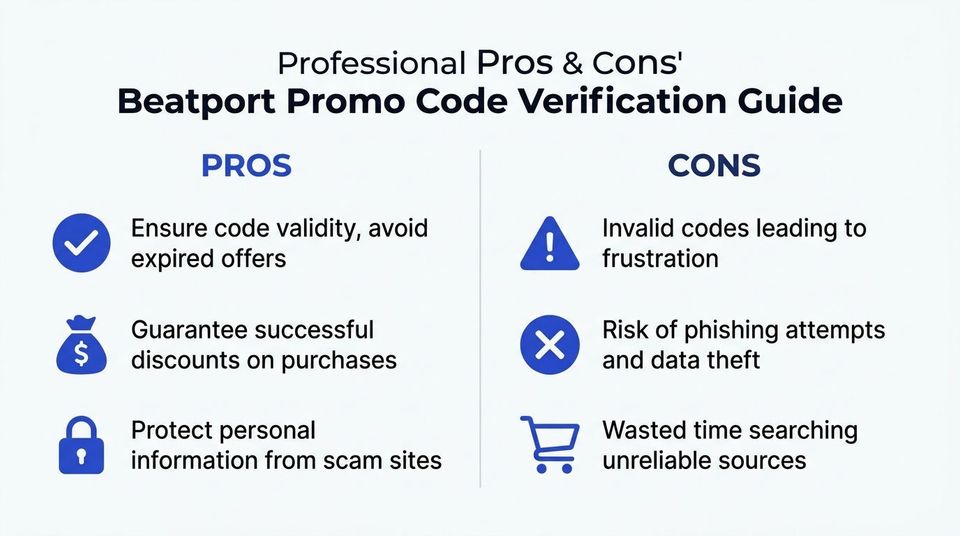
For Dutch buyers, the problem is worse. The search for Beatport promo codes is often difficult because reliable, region-specific data is thin, and generic codes like PTMM/VE30 fail at NL checkouts up to 70% of the time according to user reports tracked by ColorMango. Geo-locked label deals and local tax impacts are part of that mismatch.
Use a verification checklist before you build the cart
Do this in order.
| Check | What to confirm | Why it matters |
|---|---|---|
| Code type | Track purchase or streaming plan | Beatport runs different offer types |
| Region fit | Works for your market | A code may be valid elsewhere and fail in NL |
| Account fit | New user, member, or general | Some offers are account-specific |
| Spend threshold | Minimum cart value applies | Many failures are basic threshold misses |
| Freshness | Recently verified | Old coupon pages often carry dead offers |
This process feels boring. It saves money.
Watch for scam signals early
Bad coupon pages tend to follow the same pattern. They promise huge savings, hide the actual terms, and push you into an action that benefits them before it helps you.
Red flags include:
- Email capture before code access
If the page will not show the code until you hand over contact details, move on. - “Exclusive” claims with no source trail
If a site says a code is special but gives no indication where it came from, treat it as unproven. - Mismatched offer language
A page might say “sitewide” but the code is really for a subscription plan, new account, or hardware bundle. - Geo-blind coupon lists
The code may be technically real and still useless for your checkout.
Tip: If a page makes you work harder to see the code than to understand the terms, it is built for affiliate clicks, not for accuracy.
Separate failed codes from fake codes
Not every rejected code is a scam. Some are expired, restricted, or tied to membership status. That distinction matters because it changes your next move.
A fake code means the source is untrustworthy.
A real but failing code usually means one of these:
- the offer expired
- your account is not eligible
- your market is excluded
- your cart does not qualify
- the promotion is for streaming, not downloads
That is why “code found” means almost nothing. “Code verified for my account and cart” is the only result that counts.
Protect your data while you search
Coupon pages sit close to the same low-trust internet territory as fake audience tools, fake growth tricks, and junk promotion offers. If you run a channel, you know how many shortcuts are really traps. The same scepticism that keeps you away from fake engagement should guide promo code searches too. This breakdown on spotting fake followers is about a different problem, but the logic is identical. If the claim is vague, inflated, or built to force a click, skip it.
Applying your promo code at Beatport checkout
You line up a cart for tonight’s upload schedule, enter a code that looked valid, and the total does not move. That is not a minor checkout annoyance. For a premiere channel, it is a margin problem. Every missed discount raises track acquisition cost and leaves less cash for artwork, guest mixes, ads, and rights clearance.
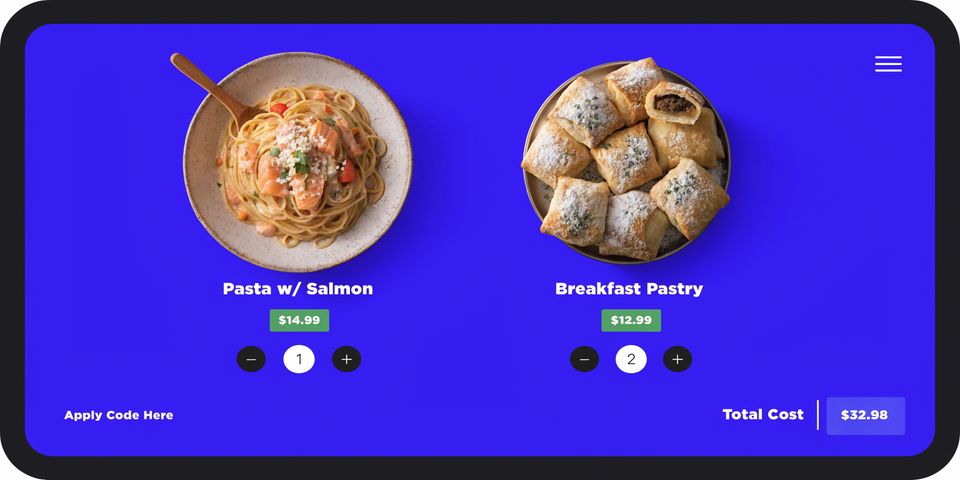
Beatport’s checkout flow is simple, but promo mistakes usually happen in the last 30 seconds. Enter the code in the ADD PROMO CODE field, paste it exactly, and check the order summary before you pay. Earlier guidance from TopDJPromo’s Beatport promotion guide also notes that some codes are case-sensitive and may be tied to a tiered discount setup.
Follow the checkout sequence exactly
Use a repeatable process:
- Add the tracks or plan that the offer applies to.
- Open checkout.
- Locate ADD PROMO CODE.
- Paste the code exactly as issued.
- Apply the code before payment.
- Confirm that the discount appears in the final total.
This final check is critical.
If the number does not change, stop there. Do not assume Beatport will adjust the charge after payment, because that usually turns a quick save into a support task.
Treat the cart like a qualifying order
Promo codes fail at checkout for predictable reasons. The cart total misses the threshold. The offer applies to streaming, not downloads. The account is outside the eligible segment. The code has expired, or the item mix does not qualify.
The takeaway is that the problem is often not Beatport. It is usually a mismatch between the code rules and the order you built.
That distinction matters for operators. Premiere channels buy in batches, and batching only works if the basket is structured to capture the discount. If one extra track pushes you over a threshold, buy it now. If one non-eligible item breaks the offer, split the order.
This is also why brands use promo codes for measurement, not just discounts. If you want the broader business context, see how promotional codes are used for tracking. The same discipline applies here. A code is only useful when it matches the transaction conditions exactly.
Use timing to protect margin
If you buy regularly, the tiered setup is an important factor. Smaller discounts can make sense for urgent pickups, but larger carts deserve more patience.
Use this rule:
- Need files today for a scheduled premiere, radio slot, or set
Apply the valid code in hand and close the purchase. - Building next week’s catalogue
Hold the cart if you are close to a stronger offer, threshold, or account-based discount.
I use urgency as the filter. Immediate publishing needs justify a smaller discount. Catalogue building does not. That one habit cuts waste because it separates must-have tracks from tracks that can wait 48 hours.
Troubleshoot rejection fast
Run through these checks in order:
- Spelling and capital letters
Paste the code exactly as provided. - Basket total
One removed track can drop the order below the minimum spend. - Account eligibility
New-user, subscriber, or member offers do not apply to every account. - Offer type
Streaming discounts and download discounts are not interchangeable. - Expiry date
Old coupon pages often surface dead offers.
Stop after that. Testing random codes from weak coupon sites burns time and rarely lowers your cost. For a premiere channel, disciplined checkout habits save more money over a quarter than chasing one flashy code that never worked for your cart.
Understanding the different types of Beatport discounts
Not every Beatport discount should be used the same way. Some are best for deep catalogue buying. Others are better for temporary access, prep, and testing.

One of the most useful examples was a Beatport offer for a 30-day free trial plus 50% off the first month of Advanced or Professional streaming plans. Beatportal notes this type of offer delivered €4.95 in savings on a €9.90 plan and saw strong redemption in the Netherlands, especially around the post-ADE period in its coverage of the offer.
Use track discounts for ownership
Track purchase discounts are best when you know you want permanent files in your library. That usually means:
- music for your own DJ sets
- core genre references
- tracks tied to your label taste
- catalogue pieces you will come back to
Percentage-off cart discounts are effective in these situations. They reward batching and punish impulse buying.
Use streaming offers for prep periods
A streaming trial or reduced first month is different. It is useful when you need broad access for a fixed window.
Good use cases include:
- preparing a month of mixes
- testing records before buying
- digging around a release cycle
- sorting references for upcoming premiere uploads
If your schedule gets heavy around a major event period, a temporary plan discount can be more useful than a small cart code.
Treat label sales as a niche weapon
General site-wide offers get the attention, but label-focused discounts can be stronger for a specialist buyer. If your channel sits in a narrow lane, such as peak-time techno, melodic house, or stripped-back minimal, label sales often beat broad public offers because they hit exactly what you buy most.
The trick is not to chase every sale. Watch the labels that match your programming. Then buy in blocks.
Match the discount to the business job
A simple decision rule helps:
| Need | Best discount type | Reason |
|---|---|---|
| Permanent library building | Cart discount | Better for bulk ownership |
| Short-term prep | Streaming trial or first-month offer | Access matters more than ownership |
| Genre-specific digging | Label sale | Better fit than generic site-wide offers |
| Software or hardware tie-in | Partner offer | Can beat public campaigns |
Promo codes also matter beyond direct savings. If you ever run campaigns with creators, labels, or affiliates, it is worth understanding how promotional codes are used for tracking. The same mechanics that help brands attribute sales can help a music business think more clearly about which campaigns, partners, or release periods drive purchases.
Alternative savings strategies for music curators
A premiere channel owner feels this fast. You buy five tracks at full price on Tuesday because a slot opened up, then a better discount window appears on Friday and your margin is gone. The fix is not hunting random codes all day. It is building a buying system that protects cash and keeps more budget available for growth.
No active code only changes the timing. It should not force sloppy purchasing.
Buy in batches, not one track at a time
Single-track checkouts are where costs drift upward. The problem is not one expensive purchase. It is repeated convenience buying that turns your acquisition budget into background leakage.
Use three working lists:
- Immediate buys. Tracks tied to a scheduled premiere, set, or client need
- Watchlist buys. Strong picks that can wait for the next discount window
- Archive buys. Older catalogue tracks worth owning only at a lower effective cost
This separation matters because urgent tracks distort judgment. Once one must-have record is in the cart, it becomes easy to add six more that are merely interesting.
I have found that disciplined batching does more for margins than chasing every public offer.
Use your niche to cut waste
Specialist channels usually overspend for one reason. They buy like generalist DJs while publishing like focused curators.
A premiere business does not need broad coverage. It needs reliable coverage inside its lane. If your audience comes for melodic techno, Afro house, minimal, or hard groove, every off-niche purchase has to justify itself as a programming decision, not a mood buy. That standard alone cuts a surprising amount of waste.
Charts can still help if you use them as a filter instead of a shopping list. This breakdown of the Beatport Top 100 charts and buying patterns is useful for spotting where chart awareness supports curation and where it pushes reactive spending.
Shift savings into growth assets
Lower track spend is only useful if the saved money gets reassigned on purpose. Otherwise it disappears into the next impulse cart.
For a premiere channel, the better use of savings is usually one of these:
- cleaner cover art and branded assets
- paid support for priority uploads
- tighter release scheduling
- email capture or follower growth after each premiere
- admin systems that reduce manual back-and-forth with artists and labels
That is the business angle behind promo code hunting. Every dollar not wasted on track acquisition can fund something that brings in submissions, audience growth, or paid placements later.
Set a purchase calendar
Good operators separate digging from buying. That one habit keeps enthusiasm from dictating spend.
A simple monthly calendar is enough:
| Time of month | Action |
|---|---|
| Early month | Build shortlist from promos, charts, and label monitoring |
| Mid month | Review current needs against release schedule |
| Late month | Place larger ownership orders if pricing makes sense |
| Event-heavy periods | Buy only what supports confirmed uploads or sets |
This works well for premiere channels because the business already runs on dates, embargoes, and publishing slots. Track buying should follow the same discipline.
If your channel runs premieres or reposts as a real business, your savings should feed a better system, not more inbox chaos. Premierely gives SoundCloud channel owners one place to accept submissions, collect payments through Stripe Connect, schedule uploads, automate posting, and run download gates for likes, reposts, comments, follows, or email capture.