Choosing the right hard techno djs for your channel isn't a taste exercise. It's a booking decision that affects submissions, trust, and repeat business. If you're running premieres on SoundCloud, every artist you feature tells labels what kind of audience you attract and how serious your operation is. That's why I don't judge these names only by hype. I judge them by label discipline, fan intent, and whether a premiere around their sound can pull the right next submission into the inbox. If you also push discovery on other channels, this related guide on Instagram Growth Service for Musicians covers the audience side from a different angle.
The business case is simple. Hard techno sits inside an electronic music market that multiple reports project to keep growing through the next decade, including projections from USD 10,167.14 million in 2024 to USD 19,168.87 million by 2033 at a 7.8% CAGR in one market view from Custom Market Insights. That doesn't mean every upload wins. It means more labels will keep looking for channels that can package attention properly. The seven artists below are useful because each one signals a different kind of audience and a different kind of client relationship.
1. Reinier Zonneveld
Reinier Zonneveld is the pick when you want crossover without going soft. He gives you a bridge between strict techno listeners and the crowd that still wants melody, tension, and a sense of progression.
That matters for channel growth. A premiere channel built only on blunt-force tracks often gets trapped with one-dimensional submissions. Reinier-style records attract labels that care about both impact and replay value.
Why he works for premiere channels
Filth on Acid has a recognizable identity. That's useful because label identity makes listener decisions faster. If a track lands from that circle, your audience usually knows what lane it's in before pressing play.
Many channel owners often get sloppy, posting the audio, throwing a generic cover on it, and expecting the artist name to do the work. With Reinier-adjacent material, the better move is to package the release like a serious label campaign.
- Lead with the label name: Put Filth on Acid in the title or description when relevant. It gives the upload instant context.
- Use production framing: Fans of this lane care how a track builds, not just how hard it hits.
- Target broad-but-specific listeners: Position the upload for progressive techno and harder peak-time listeners, not only hard techno purists.
Practical rule: If a track can speak to two adjacent audiences, don't write the description for only one of them.
How to book this lane without wasting slots
I like this type of artist for mid-calendar placements. It doesn't need your absolute biggest slot to perform, but it does reward cleaner presentation than a rough warehouse tool.
A good real-world scenario is the label owner with a melodic but still aggressive EP who doesn't fit pure industrial channels. They're often looking for a home that can signal underground credibility without narrowing the audience too much. That's the lane where Reinier's influence helps.
For operators handling regular volume, a dedicated Premierely setup is essential. You can accept track submissions, collect payments, and schedule uploads from one dashboard instead of turning every borderline-fit release into another email thread.
The trade-off is obvious. If your channel identity is built around raw, punishing material, too many of these premieres can dilute your brand. One or two strong crossover uploads can widen the funnel. A full month of them can confuse your core listeners.
2. Charlotte de Witte
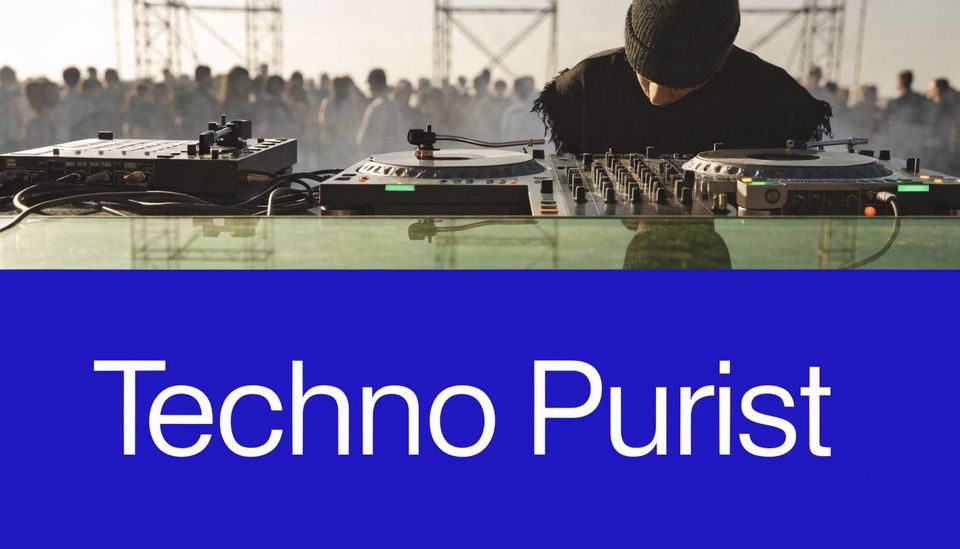
Charlotte de Witte is the cleanest example of a hard-edged techno artist who still signals discipline. For a premiere channel, that matters almost as much as the music.
Only 1.6% of DJs in Resident Advisor's database are booking five or more upcoming gigs, which shows how concentrated the market is and how rare durable demand really is according to Attack Magazine's DJ economics analysis. Artists with real staying power change how labels evaluate where to place tracks. A channel associated with names in that orbit looks safer.
What her name signals to labels
Charlotte's value isn't just audience size. It's clarity. KNTXT has a consistent visual and sonic frame, and that helps channel owners who need reliable positioning.
If you're pitching labels that release in this lane, make the page feel controlled. Dark visuals work. Strong typography works. Vague, cluttered branding doesn't.
A practical scenario is the channel that wants to move up from random artist submissions to label-led premiere requests. Featuring music adjacent to Charlotte's lane helps because labels can instantly tell whether your audience understands stripped, driving, industrial-leaning techno.
Before you pitch this level of client, clean up your file handling and presentation. This guide to USB sticks for DJs is artist-facing on the surface, but it also reminds channel owners how much credibility lives in basic operational detail.
What works and what doesn't
What works:
- Late-night positioning: These premieres suit peak-time framing and darker artwork.
- Tighter copy: Keep descriptions short, confident, and genre-specific.
- Label-aware scheduling: Time the upload around a broader release push if the label already has momentum.
What doesn't:
- Overexplaining the track: This audience doesn't need a novel.
- Bright, generic artwork: It weakens the mood before the first kick lands.
- Mismatched support acts: Reposting a softer melodic selection right after this kind of upload can flatten the impact.
This lane rewards restraint. The more polished and minimal the presentation, the stronger the premiere feels.
3. Amelie Lens
Amelie Lens is valuable because she behaves like a business operator, not just a touring DJ. That makes her one of the best reference points for how to work with organized labels.
LENSKE projects usually fit channels that can plan ahead. That's different from the last-minute culture many curators still live in. If your whole process depends on DMs, rushed artwork, and manual upload reminders, you're not ready for releases that deserve structured handling.
Why her model suits serious channel owners
The biggest advantage is predictability. When a label communicates clearly, your premiere business gets better margins on attention because you can line up artwork, copy, gate strategy, and follow-up promotion before release day.
I always tell curators this. If you want better clients, build for better clients first.
A release connected to an artist like Amelie Lens does best when your channel can show:
- Clear submission rules: Labels want to know what files and metadata you need.
- Booked calendar visibility: Nobody wants release-date confusion.
- Professional client handling: Payment, approval, and upload timing should be obvious.
That last piece is why many operators end up needing a proper DJ press kit process, even if they're not the artist. Better artist materials make your premiere page stronger, your thumbnails cleaner, and your descriptions easier to finish.
Best way to pitch releases in this lane
Go to the label first, not the artist. Label owners are still the main submitters for premieres, especially around upcoming EP campaigns. Individual artists submit too, but they skew more toward reposts than structured premiere rollouts.
That changes the pitch. You aren't selling "exposure." You're selling a clean release slot inside a channel that understands the music and can present it properly.
A real-world example is the independent label with a hard-driving single timed around a touring cycle. They don't need hand-holding. They need a channel that won't miss details, won't lose the file, and won't upload at the wrong time.
The trade-off with this lane is competition. Everyone wants the same polished labels. If your operation still feels improvised, they'll notice quickly.
4. I Hate Models
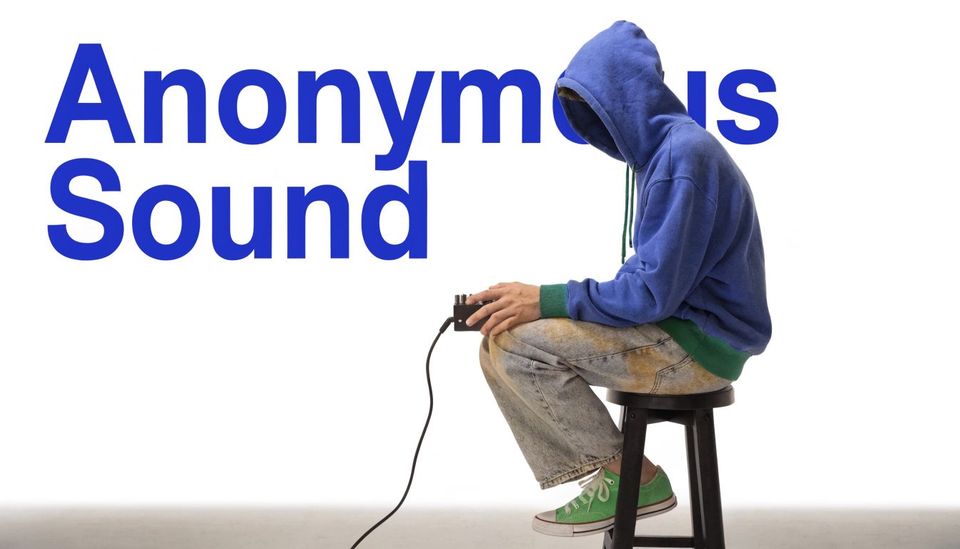
I Hate Models is useful when your channel needs emotion, not just impact. His appeal cuts across hard techno, industrial, trance, and EBM listeners. That makes these premieres sticky when they're handled right.
The mistake most curators make is describing this kind of release like any other hard techno track. That kills the angle. With I Hate Models-style material, the tension and feeling are part of the sell.
How to package genre-bending tracks
Your metadata has to widen the door without making the upload sound confused. I usually frame these records around atmosphere, emotional pull, and where they sit in a set.
That works because listeners in this lane often care about identity as much as function. They want a track that says something, not just one that pounds.
Some premieres win because they're hard. Others win because they feel like a statement. Don't market both the same way.
Use that in a practical way:
- Write for crossover listeners: Mention industrial, trance, or EBM influence if that's clearly present.
- Set listener expectations: Tell people whether the track is relentless, euphoric, bleak, or cinematic.
- Protect your channel sequencing: Don't place one of these between two anonymous tools. Give it room.
Where the business value shows up
This lane helps channels that want a more distinctive editorial identity. If all your uploads sound interchangeable, labels stop seeing your brand as selective. Featuring emotionally charged records fixes that.
There's also a download strategy angle. Tracks with crossover energy tend to perform well with gated downloads because they appeal to multiple listener tribes at once. Instead of chasing raw play count alone, use a download gate to collect follows, reposts, comments, or emails from listeners who want the file.
The trade-off is fit risk. Some labels hear "genre-bending" and send records that are unfocused. Don't accept those. The whole point of this lane is that it bends genres while still sounding intentional.
5. Shlømo
Shlømo isn't the choice when you want instant blunt-force engagement. He's the choice when you want to teach your audience that your channel has taste.
That has real business value. A channel with only obvious peak-time records can get attention, but it often struggles to build trust with labels that care about depth and sequencing.
Why this lane attracts better submissions
Shlømo and the Taapion circle signal patience, atmosphere, and control. Listeners who follow this sound tend to stay with longer builds and subtler mood shifts. That's useful because it gives your channel range without leaving techno.
If you want more labels in this lane, stop writing promo copy like a festival flyer. Write like a curator. Focus on tension, immersion, and space.
A practical booking scenario looks like this. A label has an EP where the lead single isn't the hardest track, but it's the one that best introduces the record's world. Most channels reject it because it isn't obvious enough. A channel with a Shlømo-friendly audience can make that premiere feel intentional instead of weak.
How to present it without losing attention
Keep the artwork static and controlled. Don't overcut video snippets or stuff the description with adjectives. This sound needs confidence.
I also like using references to adjacent listener taste, but carefully. Mentioning the mood and depth of certain techno circles can help listeners understand the lane without making the text feel derivative.
If you're curating producers and labels around this style, the source material matters. A strong hard techno sample pack won't make a release deep on its own, but it does tell you whether the artist understands texture or is just layering distortion and hoping for the best.
This lane won't outperform more aggressive uploads on every metric. That's not the point. It improves brand quality. It also tells serious labels that your channel isn't only chasing the loudest file in the inbox.
6. Kobosil
A label sends over a track built for 3 a.m. warehouse pressure. The kick is oversized, the arrangement is blunt, and the whole release is selling force. Kobosil is the right reference point for that kind of premiere, but only if your channel can present it with the same control the artist's camp brings to the music.

How to use his aesthetic without copying it badly
Kobosil has real premiere value because the package is consistent. The records, artwork, titles, and surrounding label identity point in the same direction. For a channel owner, that lowers the amount of explanation needed. The audience already understands the promise. Your job is to avoid weakening it with bad framing.
If you're featuring R Label Group-adjacent material, or artists clearly working in that lane, keep the rollout tight:
- Schedule for peak attention: Nighttime or weekend uploads usually fit this sound better than daytime slots.
- Keep visuals strict: Industrial artwork works when it looks intentional, not cluttered.
- Write for a committed audience: Short descriptions usually perform better than dramatic promo language here.
The business upside is obvious. Hard, high-impact premieres can raise click-through rate fast because the value proposition is immediate. The trade-off is submission quality on the back end. If your channel becomes known only for punishing, peak-time material, deeper labels and more flexible artists often stop pitching.
I treat Kobosil-style uploads as positioning tools. They tell promoters, labels, and listeners that the channel can carry heavyweight records without softening them for reach. That attracts a certain class of client. It also narrows the rest.
A practical use case is a promoter-led channel tied to warehouse events, harder club programming, or a label with a strict identity. In that setup, a Kobosil-adjacent premiere can convert well because the upload supports an existing brand world. For a broader premiere channel, it works better as a scheduled spike in the calendar, not the default setting.
Brutal tracks attract listeners fast. They also shape which labels trust you with their next release.
7. SPFDJ
SPFDJ is the pick for channels that want speed, edge, and a sense of collective identity. Her lane isn't polished in the conventional sense. It's raw, high-BPM, and often tied to communities that care about attitude as much as audio.
That makes it powerful for the right curator and risky for the wrong one.
Where her premiere value really sits
SPFDJ-related material works best when your channel already has credibility with harder, faster corners of techno, EBM, hardcore, or industrial. If your recent uploads sit in safer, cleaner territory, this kind of release can feel bolted on.
The advantage is specificity. Fast music audiences often know quickly whether something is for them. If the title, artwork, and description are honest, the right listeners self-select.
Here are the practical moves I like:
- State the speed clearly: If BPM is central to the pitch, mention it in the title or description.
- Lean into the collective angle: If the release ties into a label or party identity, make that visible.
- Use raw artwork carefully: Ugly isn't the same as underground.
Why this matters more in a credibility-sensitive scene
The hard techno sector has been described as being at a crossroads in 2026 amid growing misconduct allegations, and some major promoters have stayed silent as discussed by Change Underground. For channel owners, that means curation now carries reputational weight, not just aesthetic weight.
SPFDJ's lane forces that issue because collective scenes often come with stronger values and stronger audience expectations. If you feature artists in raw underground spaces, your listeners may care who you platform and why.
A real-world example is the curator who starts adding fast industrial records because the sound is hot, but does zero vetting on labels or affiliated acts. That can damage trust quickly. If you're going to build in this lane, be explicit about standards, selective about clients, and consistent about what your channel stands for.
Hard Techno: 7-DJ Comparison
| Artist / Profile | 🔄 Implementation Complexity | ⚡ Resource Requirements | 📊⭐ Expected Outcomes | 💡 Ideal Use Cases | ⭐ Key Advantages | ⚠️ Potential Drawbacks |
|---|---|---|---|---|---|---|
| Reinier Zonneveld, Progressive Hard Techno Innovator | Moderate, coordinate label & crossover positioning | Moderate–High, premiere fee, promo assets, timing | High streams & cross‑segment engagement; reliable downloads | Evening/weekend Europe premieres; crossover playlists | Crossover appeal; prolific output; established brand | Higher fees; over‑representation reduces exclusivity; may not satisfy purists |
| Charlotte de Witte, Techno Purist with a Hard Edge | High, competitive booking, strict aesthetic control | High, premium rate, tailored dark visuals & timing | Strong genre‑focused downloads and high engagement among purists | Late‑night peak slots; KNTXT label releases; techno‑only channels | Strong credibility; dedicated fanbase; label prestige | Limited mainstream crossover; competitive to secure; may alienate casual listeners |
| Amelie Lens, Entrepreneurial Hard Techno DJ | Low–Moderate, systematic label coordination simplifies process | Moderate–High, label liaison, tour‑aligned promo planning | Predictable audience growth; steady international reach | Scheduled premiere calendars; tour/timing tie‑ins; DJ/pro network targeting | Reliable release cadence; professional label support; global touring | High demand → expensive rates; less discovery narrative |
| I Hate Models, Raw Emotion and Genre‑Bending | Moderate, requires narrative framing for genre‑fluid material | Moderate, targeted marketing emphasizing emotional arc | High engagement, shares and discussion; discovery buzz | Channels seeking cutting‑edge, conversation‑starting premieres | Unique, emotionally intense sound; cross‑genre draw | Unpredictable schedule; anonymity limits traditional promotion; may not fit strict channels |
| Shlømo, Hypnotic Grooves and Atmospheric Depth | Moderate, label contact and atmospheric positioning needed | Moderate, quality visuals and descriptive copy for deep listeners | Longer playtimes and repeat listens; attracts discerning audience | Immersive, deep‑journey premieres; production‑focused channels | Hypnotic sound design; Taapion credibility; production depth | Subtler immediate impact; smaller mainstream recognition |
| Kobosil, Maximalist Hard Techno and Berghain Power | Moderate–High, peak‑time coordination and brand alignment | High, premium fee, late‑night scheduling, strong visuals | Strong peak‑time engagement; credibility boost; viral live views | High‑energy Friday/Saturday night premieres; Berghain‑oriented audiences | Berghain/Ostgut Ton association; powerful, intense productions | Narrower mainstream appeal; aggressive sound can alienate casual listeners |
| SPFDJ, High‑Tempo Mayhem and Collective Power | Moderate, collective coordination and clear BPM labeling | Low–Moderate, promo focused on mixes/label drops, niche targeting | Strong niche engagement; standout, memorable premieres | Fast‑techno/hardcore communities; Herrensauna/Hör Berlin audiences | Unique high‑BPM niche; underground collective credibility | High BPM may alienate general listeners; fewer originals; chaotic fit for mellow channels |
Turn curation into a scalable business
Booking strong hard techno djs is only half the work. The harder part is running the business around those bookings without letting admin eat the day.
Most channel owners start the same way. Tracks arrive through email, Instagram DMs, private links, and random message threads. Artwork gets lost. Release dates shift. Someone forgets to send the WAV. Someone else asks if you got the payment. None of that improves your curation. It just drains time and makes your channel look less reliable than it really is.
That matters more in hard techno because identity is tight. Labels don't just want a repost or a premiere slot. They want to know their release will land on a channel that understands the sound and can handle the mechanics. If your process feels loose, stronger labels move on.
The business operators who last usually make three changes.
First, they replace informal requests with a proper booking flow. That means one place to submit tracks, one place to review them, and one calendar that shows what is already booked.
Second, they treat payment collection as part of the booking itself, not a separate chase. If you run paid premiere or repost placements, collect through Stripe Connect as part of the request so nobody has to follow up manually.
Third, they stop treating downloads as an afterthought. A gated file can turn one premiere into follows, reposts, comments, or email signups. That's the difference between posting music and building a repeatable audience asset.
This is also where software adoption in DJ culture matters. One electronic music market report projects the broader market to reach USD 28.55 billion by 2035 at a 7.8% CAGR from 2026, while also describing strong preference for portable digital workflows and reporting that users rate AI-powered DJ software highly for hard-techno-specific tasks in Business Research Insights. Channel operators are dealing with the same shift. Manual systems don't hold up once submissions become regular business.
If you're already helping artists build attention elsewhere, this guide on how creators monetize their Instagram account is a useful reminder that audience work gets better once the process behind it is structured.
Premierely fits this model because it's built specifically for the premiere and repost business on SoundCloud. It lets you accept submissions, collect payments, schedule uploads, automate posting, and turn downloads into follower or email capture from one dashboard.
Premierely is built for channel owners who treat premieres and reposts as a business. If you're tired of managing bookings across email, DMs, calendars, payment links, and manual uploads, use Premierely to replace that mess with a structured booking system for SoundCloud.