
How to get reposts on SoundCloud comes down to process, not luck. Most tracks don’t miss reposts because the music is bad. They miss because the pitch is weak, the track page looks unfinished, or the request lands with the wrong curator at the wrong time. If you run a channel, label, or repost service, you already know this is operational work. The channels that get useful repost support treat it like booking, not begging.
That matters even more if you run premieres or paid reposts yourself. You can spot a low-effort submission in seconds, and other curators can too. Good reposts come from clean assets, smart targeting, and a workflow that respects other people’s time.
Optimize your profile and tracks for reposts
Before outreach, make the track easy to repost. Curators don’t want to fix your metadata, hunt for artwork, or guess whether a track is already moving. They want a page that looks finished and a release that already shows signs of life.
Audit the track page before you pitch
A repostable track usually has four things in place:
- Clear artwork: Use cover art that fits your genre and still reads well at small size.
- Clean title format: Keep the artist and track title readable. Don’t stuff it with promo language.
- Useful description: Add release context, label info, and one sentence on why it fits a curator’s audience.
- Relevant tags and genre: Help the right people understand the track quickly.
Most curators decide fast. If the page looks half-finished, the answer is usually no, even if the track is strong.
Let your own stats decide what deserves pitching
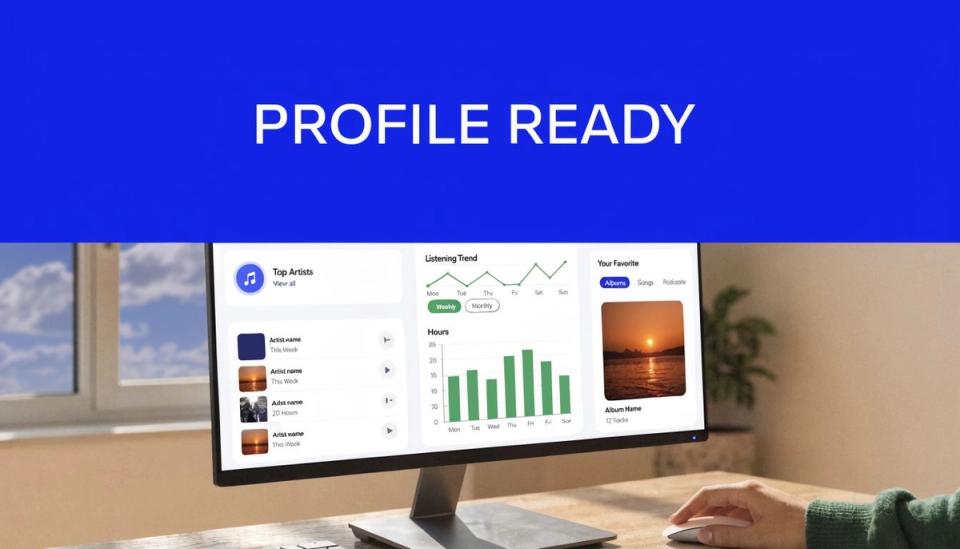
The SoundCloud Stats view should drive your repost decisions. By watching plays, likes, and reposts, you can identify which tracks already have traction. Tracks with engagement momentum are more likely to attract more reposts, creating a compounding effect from early support, as noted in this SoundCloud stats repost strategy breakdown.
Practical rule: Don’t pitch your whole catalog. Pitch the one track that already gives curators less risk.
That changes how you use your time. Instead of sending ten average requests, send one strong request for the track your own listeners are already validating.
A useful habit is to review your recent uploads and sort them into three buckets:
| Track state | What it means | What to do |
|---|---|---|
| Early traction | Getting solid engagement relative to your recent uploads | Pitch to aligned repost channels now |
| Flat response | Little listener movement | Hold back and improve packaging |
| Wrong fit | Good track, weak fit for your target channels | Pitch different curators, not more curators |
Create social proof before the ask
Curators like signals that other listeners already care. That doesn’t mean chasing fake activity. It means generating real interaction from your existing circle, label roster, or community before wider outreach.
If you use downloads as part of promotion, gated access can help convert interest into actions that show up on the track. That’s useful both for artists seeking reposts and for channel owners building stronger release campaigns. A strong reference point is this guide to building attention around releases online.
Build genuine relationships with channels and curators
Cold messages that say “repost for repost?” usually get ignored. People who run active channels see too many of them. The requests blur together because they ask for value before offering context, taste, or trust.

The better approach looks slower at first, but it compounds. Follow a small group of channels in your niche. Listen to what they repost. Notice which labels, moods, and release formats they back consistently. Then show up like a peer, not a random seller.
Act like someone who belongs in the same scene
Good relationship building on SoundCloud is simple, but it is often overlooked:
- Leave useful comments: Say what stands out in the arrangement, sound design, or label direction.
- Share their uploads: Repost or mention tracks you support.
- Respond to patterns: If a curator is clearly pushing a certain pocket of techno, garage, or ambient, don’t pitch them outside that lane.
- Be recognizable: A familiar name gets opened faster than a stranger asking for a favor.
I’ve seen channels warm up to artists who never asked for anything in the first few interactions. By the time the pitch arrived, it felt like a continuation of a relationship, not inbox debris.
A repost chain works because each repost places the track on the reposter’s profile and in the feeds of their followers. Each extra repost expands reach into another follower network, creating a cascading distribution effect, as explained in this breakdown of SoundCloud repost chains.
Reposts work best inside trust networks. The feed mechanics matter, but the human part comes first.
That also explains why some artists get repeated support from the same channels. Their tracks fit. Their communication is clean. Their asks are reasonable.
A short walkthrough can help if you’re refining how you connect with curators and scene partners:
Don’t confuse visibility with fit
A large follower count looks good until you check the channel’s actual behavior. Some channels repost everything. Some barely engage with their own audience. Some are the wrong crowd for your sound.
Use this quick filter before reaching out:
- Genre alignment matters first: A smaller channel with focused taste often beats a bigger one with broad, messy programming.
- Look at recent reposts: If the page feels inconsistent, your track will probably disappear into that inconsistency.
- Check how they present releases: Professional channels care about titles, artwork, and timing. That usually leads to better collaboration.
Use repost networks and chains effectively
Relationship work gets you quality support. Networks and chains help you scale that support without turning promotion into random outreach all day. The key is to treat them as systems with rules, not magic buttons.
Work the network like an operator
RepostExchange popularized the credit-based repost model around 2015. New members historically received free credits sufficient to reach approximately 3,000 users, which helped set the benchmark for peer-to-peer repost promotion on SoundCloud, according to RepostExchange.
That matters because it frames reposting as participation, not just buying access. You earn visibility by supporting other tracks, accepting requests, and staying active inside a community.
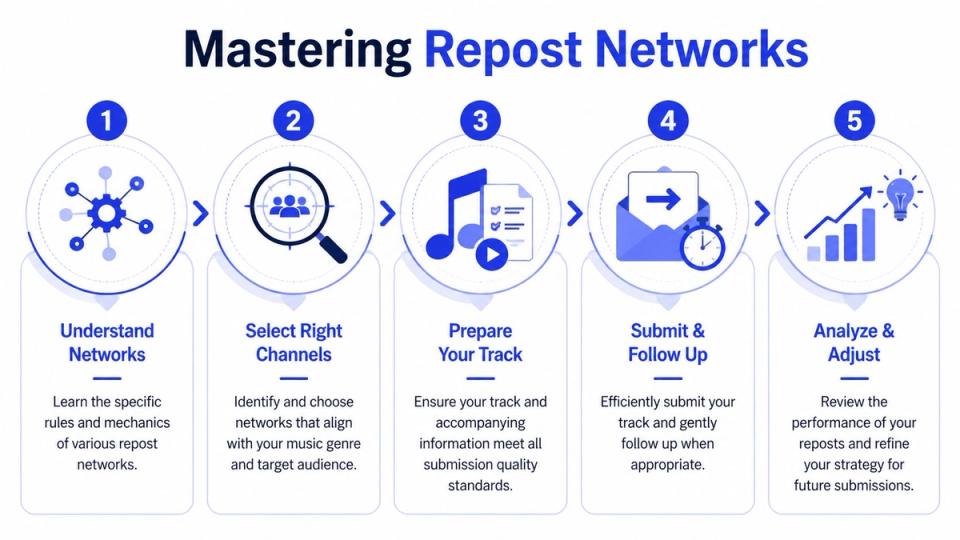
Here is the practical version of that workflow:
- Join networks that match your genre. A general pool is less useful than a narrower one with listeners who care about your sound.
- Spend credits on your strongest track. Don’t burn credits on a release that hasn’t earned internal support yet.
- Review account quality. Skip dead accounts, off-genre pages, and channels that look automated.
- Time your requests. If a track is part of a wider campaign, align repost activity with your planned push.
- Track what leads to movement. Keep notes on which types of accounts create useful follow-on activity.
Build chains without making them feel spammy
Chains can work well in collectives, labels, and trusted curator circles. They break down when everyone involved treats them like an obligation rather than endorsement.
A healthy repost chain usually has these traits:
- Tight stylistic fit: The same audience can plausibly enjoy the track across all participating accounts.
- Clear timing: People know when to repost and how long to keep support active.
- Mutual benefit: Everyone in the group gets their turn, not just the loudest member.
- Quality control: Weak tracks don’t get pushed just because they belong to a friend.
If you’re trying to formalize this process, this comprehensive guide for social media managers is useful for thinking through repost workflows and approval logic beyond music alone.
Operator note: A repost chain should look like coordinated taste, not coordinated desperation.
For channel owners who already sell reposts or premieres, a structured system helps even more. A dedicated SoundCloud repost network guide is useful if you’re building this as an actual service rather than handling everything in DMs.
Navigate paid repost services with confidence
Paid reposts aren’t necessarily bad. Bad buying decisions are the problem. If you pay for repost support, buy placement the same way you would buy any media exposure. Look at fit, track record, and likely outcome.
The most useful reality check is this: the average repost from a promotional channel generates plays equal to only 3-4% of that channel’s follower count, and a channel with 100,000 followers will typically drive 3,000-4,000 plays, based on an analysis of 8,000 tracks reported by Hypebot. That tells you why follower count alone is a weak buying signal.
Vet channels like media inventory
If a seller leads with follower count and can’t show taste alignment, that’s a warning. The right paid repost usually reaches the right niche, not just a large number on paper.
Use this filter before paying:
| What to check | Good sign | Bad sign |
|---|---|---|
| Catalog fit | Their repost history sounds close to your lane | They promote everything under the sun |
| Posting behavior | Selective support | Constant repost volume that buries every track |
| Presentation | Consistent branding and release quality | Sloppy titles, random artwork, low trust signals |
Buy outcomes you can live with
A paid repost should be judged on targeted exposure, not fantasy. You’re paying for placement in front of a relevant audience and for the possibility of follow-on discovery. Sometimes that happens. Sometimes the placement is clean but the track still doesn’t connect.
That’s why I prefer smaller tests over emotional spending. Buy one placement. Check the type of engagement that follows. Then decide whether that channel deserves a longer relationship.
If the seller talks only about reach and says nothing about audience fit, walk away.
The strongest paid repost partners often behave like curators first and vendors second. They say no to tracks that don’t fit. That’s a good sign.
If you’re ready to start vetting sellers, buying reposts from real channels is faster than building relationships from zero, as long as you check the channel before you pay. Our repost services comparison breaks down 12 options by price and transparency.
Automate your submission and scheduling process
People often separate getting reposts from running a repost business. In practice, the same habits drive both. The channels that attract better opportunities usually have better systems. They answer clearly, keep calendars organized, and package releases in a way that reduces back-and-forth.
Present yourself like a reliable partner
If you’re pitching another curator, send assets in one clean package. Include the SoundCloud link, artwork, release context, preferred repost date, and any supporting notes. Don’t make the other side chase details across email, DMs, and cloud folders.
That same discipline matters on your own channel. If you accept submissions, a structured booking flow tells labels and artists that you take the work seriously. It also gives you a better feel for how other curators prefer to receive pitches.
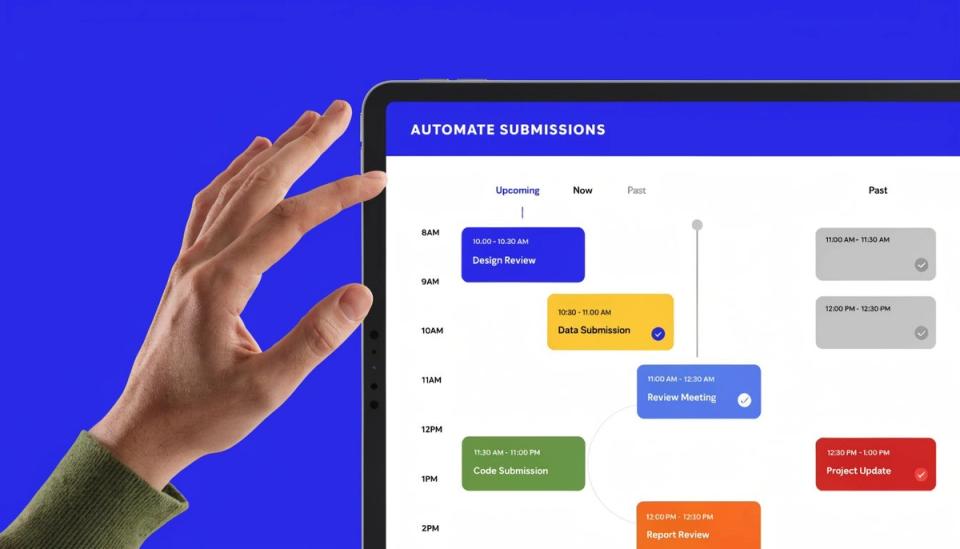
A lot of channel owners still juggle inbox threads, payment reminders, and manual scheduling. That’s exactly where dedicated tools help. Premierely handles SoundCloud submission intake, Stripe Connect payments, scheduling, automated posting, and download gates in one dashboard. For operators running premieres and reposts as a business, that replaces scattered admin with a booking system.
Build a repeatable release calendar
Your repost activity should follow a calendar, not mood. That doesn’t mean robotic posting. It means knowing when assets are due, when outreach starts, and when repost support should land.
A broader guide to scheduling social media posts effectively is useful here because the core discipline is the same. Plan the window, prep the assets, and remove preventable delays.
Use a simple operating checklist:
- Submission ready: Audio, artwork, links, and copy are complete before outreach starts.
- Calendar locked: Repost dates are chosen before you begin asking for support.
- Follow-up planned: You know when to nudge and when to leave it alone.
- Post-campaign review: Notes are captured while the release is still fresh.
Good systems don’t make your music better. They make it easier for good music to get support.
Create outreach messages that get a response
Most repost requests fail in the first sentence. They’re vague, obviously copied, or written as if the curator owes a reply. A good pitch feels brief, informed, and easy to process.
Use a three-part structure
Write the message in this order:
- Personal relevance: Mention a recent repost, mix, or release direction you noticed.
- Clear ask: State that you’re asking for repost consideration on one track.
- Easy execution: Include the link, genre fit, release context, and preferred timing.
Here is a simple template:
Hi [name], I’ve been following your recent reposts, especially the darker, groove-led releases on your page. I think this new track fits that lane well. If you’re open to it, I’d love you to consider it for a repost this week. Here’s the SoundCloud link: [link]. Happy to send artwork, release notes, or anything else you need.
Keep the message operational
Curators respond faster when they don’t have to decode your ask. Don’t send a paragraph about your life story. Don’t send five tracks. Don’t ask them to pick one.
If outreach is taking too much admin time, it may be worth looking at how teams handle delegated communication. This article on hiring social media virtual assistants is useful if you’re reaching the point where inbox management needs support.
For artists and channel owners who also manage releases across platforms, this guide to a Spotify for Artists account workflow is a useful reminder that clean release communication matters everywhere.
If you run reposts or premieres as a business, Premierely gives you a structured way to accept track submissions, collect payments, schedule uploads, automate SoundCloud posting, and use download gates for likes, reposts, comments, follows, or email collection.