A sample pack vengeance credit on a promo track usually doesn’t worry me. What worries me is everything around it. You get a strong submission, the drop fits your channel, the label wants a fast slot, and then you notice a drum sound you’ve heard a hundred times before. That isn’t a problem by itself. The problem is whether the producer used only cleared material, whether they can confirm it, and whether your premiere business has a paper trail if a dispute lands later.
That matters because Vengeance packs are embedded in electronic music. Since their inception around 2005, Vengeance has sold packs at €65 + VAT, and local retailer data cited on the Vengeance site says over 50,000 units sold in NL by 2023, alongside a cited 30% rise in NL house track streams on SoundCloud and 2.5M plays per premiering channel using Vengeance samples in NL-specific 2024 data (Vengeance samples page). If you run a premiere channel, you’re already handling tracks that use them.
That doesn’t mean every submission is safe. It means you need a better intake process than email threads and trust alone.
If you’re also building your promo presence beyond SoundCloud, this practical guide on how to grow your YouTube channel fast is worth a look because the same principle applies across channels. Strong content helps, but documented workflow protects the business.
Introduction
A familiar pattern shows up in channel inboxes every week. A label sends a private link, promises an exclusive, asks for a date hold, and wants an answer quickly. The record sounds polished. The drums hit hard. The FX are clean. Then you start wondering whether the producer used a sample pack vengeance library properly, or whether they mixed cleared sounds with material they had no right to use.
That distinction matters more for a channel owner than for the producer who made the track. If the track goes live on a monetised premiere channel and someone challenges the audio, your time gets burned first. You deal with the takedown risk, the payout mess, the client conversation, and the hit to your schedule.
A lot of producers use Vengeance packs in normal, legitimate ways. That’s not controversial. These packs are popular because they give fast access to finished-sounding drums, FX, loops, and synth material that already fits club music. The issue isn’t the brand. The issue is whether the full chain of source material is clear.
Working rule: Treat sample use like artwork rights. Most tracks are fine. The few that aren’t can create outsized admin and payment problems.
The safest operators don’t try to play detective after upload day. They build a process that asks the right questions before a slot is confirmed.
What a sample pack vengeance library contains
The quickest way to screen submissions is to know what producers are likely pulling from these packs. Vengeance libraries are built for immediate use, not for academic sound design. That’s why they show up so often in tracks sent to labels and premiere channels.
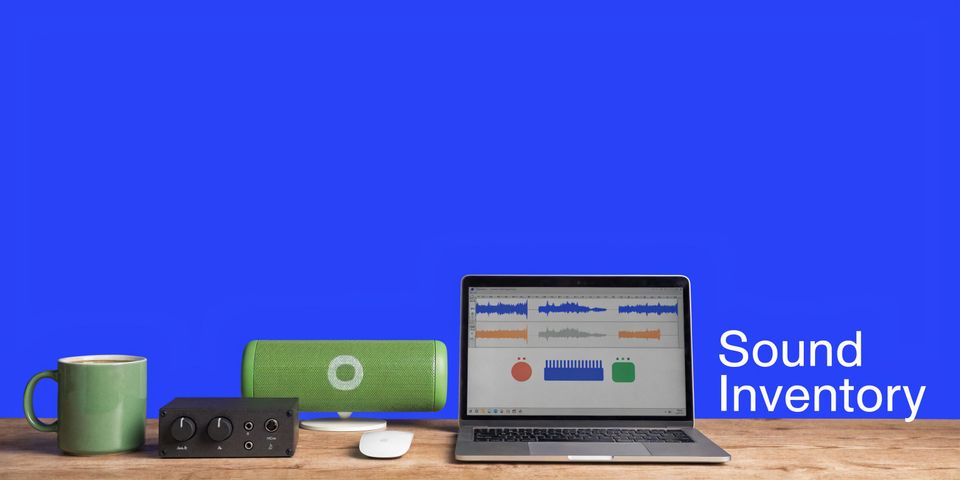
Start with drums and one-shots
Vengeance built its reputation on processed drums. Think finished kicks, bright snares, claps that cut through crowded mixes, and hats that need little extra work.
For a channel owner, that matters because these sounds often stand out even in rough previews. They tend to arrive already shaped for dance records, which is why a lot of submissions sound “release ready” before any label polish.
- Kicks often feel dense and forward, with a polished attack.
- Snares and claps are usually made to read clearly on smaller speakers.
- Cymbals and toms often come pre-treated so they sit fast in an arrangement.
Then look at loops, synths, and FX
The packs aren’t just one-shots. They also include full musical material that can shape the whole identity of a submission.
Vengeance Essential Synthwave Vol. 1 contains over 2700 high-quality WAV samples and spans 100 to 140 BPM. Its contents include vintage kicks, analog basses, complete drum loops, and complex effects. That tells you what a modern Vengeance pack is really selling. Not just sounds, but ready-made building blocks for a genre.
A useful comparison point is this guide to a drum and bass sample pack, because the listening habit is the same across genres. You aren’t trying to identify every exact source. You’re trying to recognise whether a track relies on pack-based drums, loops, FX, or transitions.
Build a simple listening checklist
When I vet a submission, I mentally sort what I hear into three buckets:
| Element | What to listen for | Why it matters |
|---|---|---|
| Drums | Highly polished kicks, claps, snares | Often the easiest sign of pack-based construction |
| Musical parts | Bass shots, synth phrases, guitar loops | These may be legitimate, but they raise follow-up questions |
| Transitions | Risers, downlifters, impacts, fills | Pack FX often survive untouched into the final master |
Some tracks use a few Vengeance hits. Others are built from the pack outward. Those are different risk profiles, even if both sound good.
How producers use vengeance packs in their tracks
Most producers don’t drag a full sample pack vengeance folder into a session and call it done. They pick elements that solve a problem quickly. That usually means drums first, FX second, and loops or synth material only where it helps the arrangement move faster.
A common pattern goes like this. The producer writes the chord progression and bassline from scratch, then swaps in a Vengeance kick because their own one isn’t holding the groove together. They add a snare layer, use a downlifter into the break, and pull a riser before the drop because it fits instantly. The finished record is still their track, but parts of the impact come from familiar pack material.
What that sounds like in practice
Tracks built this way often have a split identity. The composition may be original, while the transient design and transitions feel recognisable. That’s why a submission can sound distinct and still remind you of ten other promos you’ve handled.
You’ll also hear producers combine Vengeance sounds with gear and software from brands they trust for instruments and processing. If you’re tracking the wider producer toolchain, this IK Multimedia brand page is a useful reference point for the kind of hardware and software ecosystems artists build around.
Why this matters for premiere screening
You don’t need to reject tracks because they use known pack sounds. That would wipe out a lot of perfectly legitimate music. You do need to separate three situations:
- Low concern. The producer used a few one-shots or FX inside an original track.
- Medium concern. The producer leaned heavily on exposed loops or recognisable phrases.
- High concern. The producer doesn’t know what came from where, or gets vague when asked.
If the label answers sample questions clearly and quickly, that’s usually a good sign. If they get defensive, slow, or imprecise, I pause the booking.
The point isn’t to punish pack use. The point is to hear how the pack was used, then judge whether the submitter can stand behind the rights chain.
Understand the licensing rules before you premiere a track
Many channels get sloppy here. They hear “royalty-free” and assume the problem is solved. It isn’t. Royalty-free usually addresses how licensed pack material may be used in a finished production. It doesn’t protect your channel if the producer blended that material with uncleared samples, lifted vocals, or borrowed loops from somewhere else.
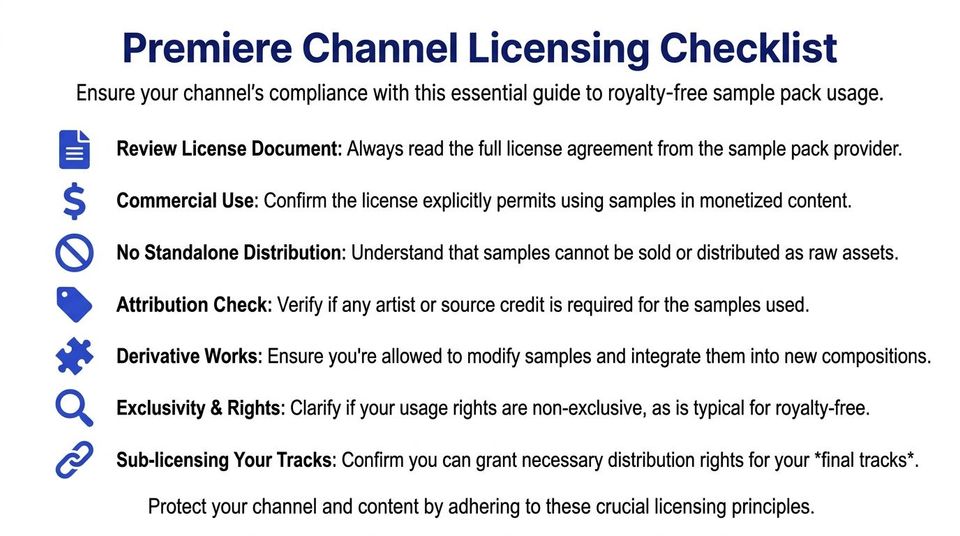
Read commercial use as a business operator
For a premiere channel, the practical question isn’t “Is Vengeance legit?” The practical question is “Can this submitter prove the final track is clear for upload, promotion, and monetised use on my channel?”
That means checking the final work, not just the pack brand named in conversation.
A useful baseline is this article on a music copyright checker, because the core issue is rights verification at the track level. A cleared sample pack inside an uncleared track is still an uncleared track.
Where the risk sits
The biggest mistake channel owners make is assuming the producer’s confidence equals legal certainty. It doesn’t. Some artists know exactly what they used. Others forget. Others think “everyone uses it” is a licence.
That gets expensive once payouts and claims enter the picture. A 2026 Buma/Stemra audit found 12% of NL SoundCloud premieres used uncleared samples, leading to 40% in payout disputes (Vengeance demo page reference). That’s the operational risk in plain terms. Even if Vengeance material itself is properly licensed, your premiere pipeline still needs evidence that the full track is clean.
Ask better questions before you accept the slot
You don’t need a legal department. You need a repeatable checklist and the discipline to use it every time.
- Ask for source confirmation. Get a written statement that all samples, vocals, and loops used in the submitted master are licensed or original.
- Ask about third-party stems. Remixes, edits, and collabs often hide the underlying risk.
- Ask who owns the final master. The label may be pitching a track it doesn’t fully control.
- Ask whether any content ID issues have appeared before. Prior flags don’t always kill a premiere, but they deserve scrutiny.
Know the red flags that justify a delay
Some answers should stop the booking until clarified.
| Red flag | What it usually means | Safer response |
|---|---|---|
| “It should be fine” | No clear rights review happened | Ask for written confirmation |
| “The producer handled that” | Nobody wants responsibility | Ask for direct producer declaration |
| “Only royalty-free stuff” | Too vague to rely on | Ask for pack names and exceptions |
| “We used some bits from old projects” | Source chain may be muddy | Hold the slot until clarified |
Practical rule: If a track is worth premiering, it’s worth documenting properly.
This isn’t paranoia. It’s routine business hygiene for any channel selling placements, reposts, or promotional slots.
Build a safe submission workflow for your channel
The safest channels don’t rely on memory. They build sample clearance into intake, review, and approval. That turns a messy judgement call into a normal booking standard.
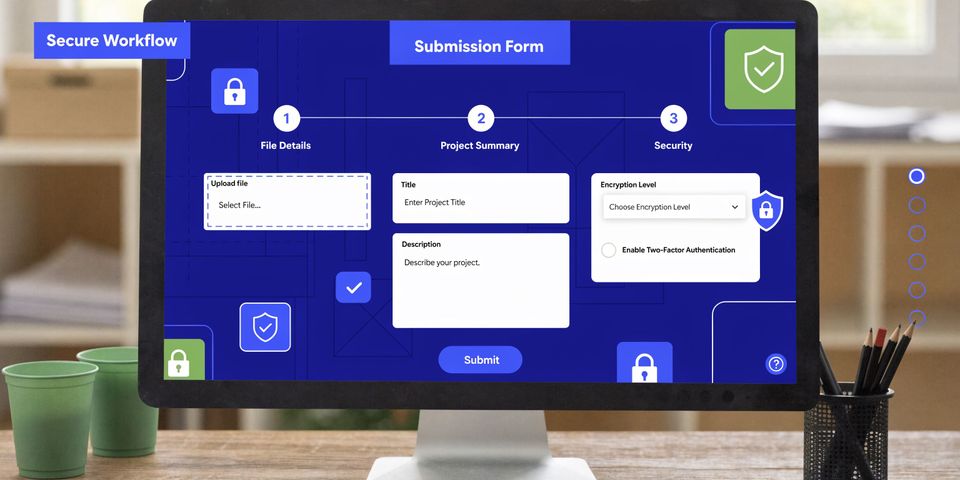
Add declarations to your form
If you still collect submissions through DMs and scattered emails, sample questions will always be inconsistent. Put them in the form and make them required.
A strong submission form asks for:
- Rights confirmation that the submitter has authority to grant premiere use
- Sample disclosure for any third-party sample packs, vocals, or loops used
- Originality statement confirming no unlicensed material is included
- Contact person who can answer rights questions quickly
This is the difference between random inbox admin and an organised process. If you need a reference for structuring that intake, this guide on how to organize SoundCloud submissions covers the booking side well.
Screen with your ears and your paperwork
Listening still matters. Paperwork alone won’t catch a lifted acapella or an obvious bootleg stem.
I usually check submissions in this order:
- The title and artist context. Edits and bootlegs need extra caution.
- The vocal and melodic content. These raise more risk than drum one-shots.
- The declaration notes. Vague wording gets a follow-up before approval.
A track that sounds clean but comes with fuzzy rights language should not go live on schedule pressure alone.
Keep a record after approval
Approval isn’t the end of the admin. It’s the point where you archive what justified the approval.
Keep the rights declaration, final WAV, artwork approval, and upload approval together. If a problem appears later, scattered proof slows everything down.
The goal is simple. If a claim arrives, you should be able to see what was submitted, who confirmed rights, and what version you uploaded without digging through old chats.
Use vengeance-style sounds in your own channel promotions
You don’t have to think about sample pack vengeance only as a screening issue. The same style of sounds can help you package your own channel more professionally, as long as your usage is properly cleared and used inside original promo assets.

Build assets that sound like your niche
A premiere channel benefits from consistent sonic branding. Short DJ drops, intro stings for mixes, transition FX for clips, and teaser edits for socials all work better when they sound close to the genre you post.
That doesn’t mean copying other labels. It means using the same sound language your audience already expects.
Good uses include:
- Short intro stings before premiere snippets
- Branded transitions between spoken announcements and music clips
- Download-gate exclusives such as a private tool, loop edit, or channel intro track
- Event teaser edits for your next label night or showcase
Tie promos to audience capture
The strongest version of this isn’t just aesthetic. It’s operational. Make a small, original promo asset people want, then gate the download behind the actions that matter to your channel.
That could mean requiring:
- a follow
- a repost
- a like
- a comment
- an email sign-up
For a channel operator, that’s more useful than posting another generic flyer with no exchange attached. A good exclusive can turn passive listeners into trackable contacts and repeat viewers.
A simple branded freebie often performs better than a polished but disposable promo clip because it gives the listener a reason to act.
The same discipline applies here as with premieres. Keep the asset original, keep the source material licensed, and keep your records tidy.
Evaluate alternatives and when to be cautious
Vengeance isn’t the only route producers use. You’ll also see tracks built with sources like Splice or Loopcloud, and the broad workflow issue stays the same. The producer chooses sounds for speed, fit, and convenience. Your job is still to verify that the final track is clear. For live sets, a good DJ sound effects pack covers risers, impacts and transitions in one download.
The main difference in practice is often how artists acquire sounds. Vengeance is commonly seen as a pack purchase model, while subscription libraries suit producers who want a rolling pool of material. That affects how they talk about their process. Someone using a purchased pack may remember the exact product name. Someone pulling from a subscription library may only remember the platform.
Neither is automatically safer.
Be more cautious when:
- the artist can’t identify where a vocal came from
- the submission is an edit, flip, or unofficial remix
- the label says clearance is “handled” but provides no direct statement
- exposed loops carry the track more than original writing does
A well-run premiere business doesn’t care whether the risk came from Vengeance, a subscription crate, or a hard drive of old project folders. It cares whether the rights chain is documented before the post goes live.
Conclusion
Vengeance packs are everywhere for a reason. They help producers finish records quickly, and many of the tracks sent to your channel will include them in some form. That’s normal. What’s not acceptable is running a premiere business on assumptions.
The operator’s job is different from the producer’s job. You need enough product knowledge to recognise likely pack use, enough process to ask the right rights questions, and enough discipline to keep written confirmation attached to every accepted track. That is what protects upload schedules, payout flow, and label relationships.
Treat sample clearance like release admin, not like a side note. The channels that last are the ones that document first and publish second.
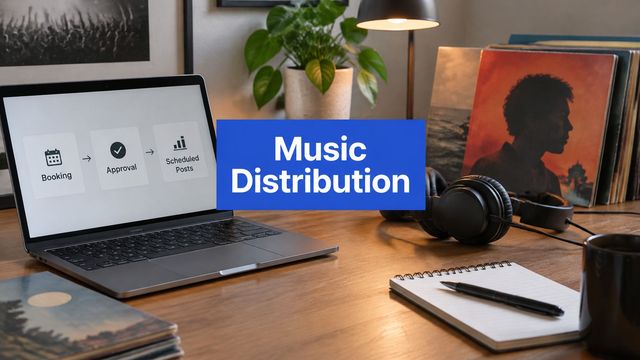
Premierely is the only platform built specifically for the premiere and repost business model on SoundCloud. It helps channel owners replace email chaos with a structured booking system, accept track submissions, collect payments through Stripe Connect, schedule uploads, automate SoundCloud posting, and use gated downloads to collect emails, follows, likes, reposts, and comments from one dashboard.