You open your inbox on Friday and find three replies for the same premiere slot. One artist sent the wrong artwork, another moved the release date, and a payment sits in a thread you can't find. You still need to check the audio, write the description, and prepare each channel's post.
The trouble starts when a submission, an approval, and a booking all look like the same thing. An artist thinks payment confirms publication. You think you've only agreed to listen. Neither of you knows who should send the final files.
These booking website examples show different ways to handle that handoff. Some collect pitches for review. Others run promotion campaigns or reserve a date. Only compare them after you know which job you need.
A paid submission doesn't become a confirmed premiere until you approve the track and reserve its publication date.
For a weekly series, judge each example by its booking path. Check who approves the request, where audio and artwork arrive, and what stops another artist from taking the same slot. A good-looking page won't save time if you still chase every file by email.
1. Premierely puts curator approval before asset collection
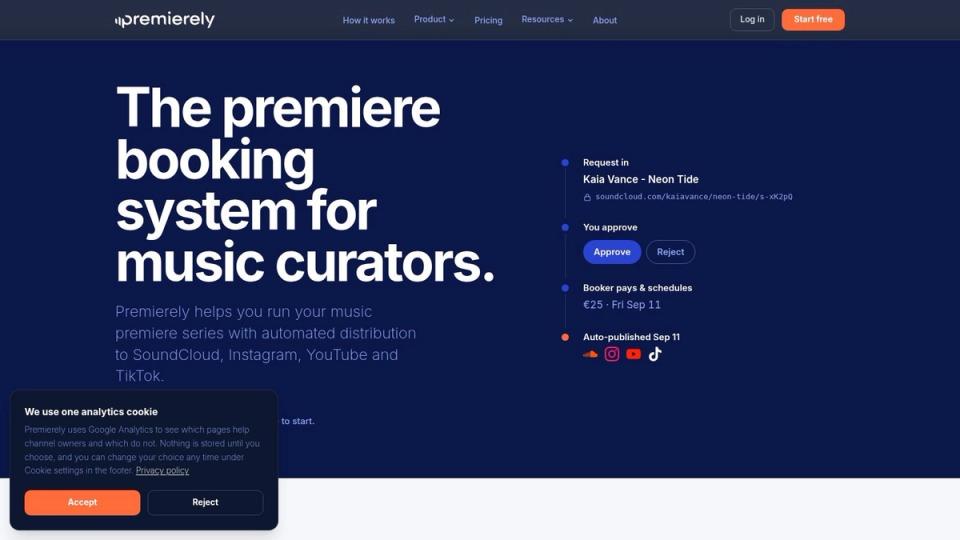
This premiere booking system suits curators who already run a series and want requests, payment, dates, and publication in one workflow. Artists find your public storefront, choose a premiere or repost, and book there. You can charge for your services or offer them free.
The artist sends a release title, a streaming link, and a short message with the request. They pick an available date on your calendar and pay on the storefront before anything gets scheduled. You review requests in one queue and keep the final say over what goes out.
That order matters because you don't collect a full release package before deciding whether the music fits. After approval, the booker uploads the audio, artwork, and press text. You avoid sorting finished assets for tracks you won't publish.
You approve once and publish to connected channels
The approval schedules the premiere, with publication following once the booker supplies the required assets. On Pro, that workflow publishes audio to SoundCloud, a vertical Story to Instagram, video to YouTube, and vertical video to TikTok. Titles and descriptions are formatted automatically, so you don't rebuild the same release details in each upload screen.
The calendar prevents double bookings by showing bookers available dates. That's more useful than a date field in a contact form, where several artists can request the same Friday without seeing the conflict.
- Best fit: You run a recurring premiere or repost series and want booking to lead into publication.
- Main advantage: You retain editorial approval while the booker supplies the release files after acceptance.
- Main trade-off: Multi-channel publishing requires Pro, so don't assume the free starting option covers every channel.
- Starting point: Free includes unlimited free bookings and three paid bookings a month. Download gates are also available.
I'd choose this path when the music decision needs your attention but file collection and repeated uploads don't. Before opening dates, define what each service includes and how much preparation time you need.
2. LabelRadar helps labels review demos before making a commitment
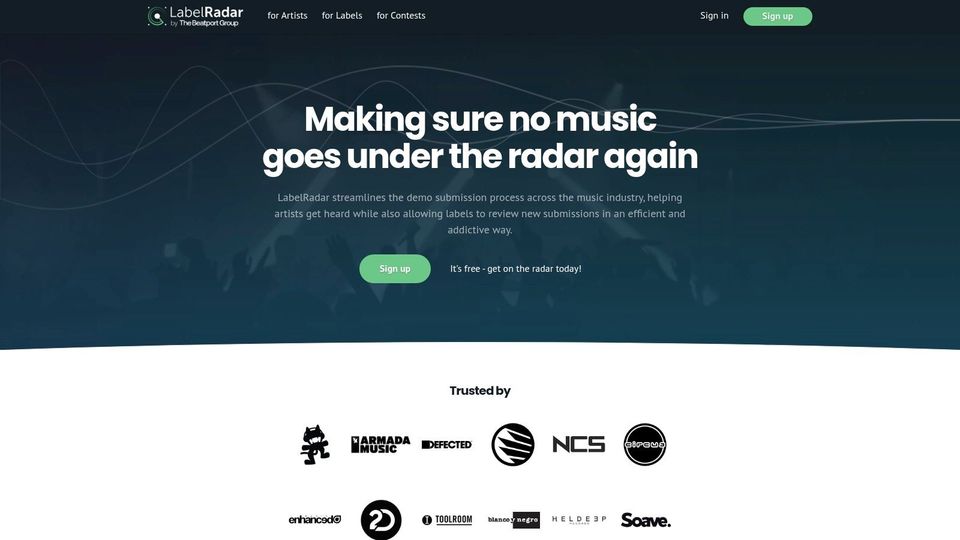
If your first question is whether to sign a track, LabelRadar is a better reference than an appointment calendar. Artists submit music to a chosen label or a broader pool. Labels review demos through a central workflow and communicate with artists there.
Its useful design choice is separating discovery from commitment. An artist sends music for a decision, rather than treating an upload as a reserved release or promotion slot. That distinction suits A&R, where the label must assess fit before discussing the next step.
For a premiere channel, copy the clear intake and review path. Don't copy the assumption that a submission queue can also serve as your publication calendar.
You still need a handoff from acceptance to scheduling
Say you accept a demo for your label and also want to premiere it on your channel. The signing decision doesn't tell the artist where to send final artwork, whether the master is ready, or which date you've reserved. Give that accepted release a separate booking and asset handoff.
- What works: A central demo queue keeps review and artist communication together.
- What doesn't transfer: A demo submission doesn't reserve a promotion placement or guarantee a response.
- What to watch: Artists use credits beyond the free allocation, so broad pitching has a cost.
Audio arrives for review, but that doesn't make it the final publication file. Keep those states distinct in your own process, especially when the artist replaces a demo with a new master.
Choose this example for a label-facing submission page. Choose a booking-led workflow when you already know the service being requested and need to manage its date.
3. Groover lets artists choose who receives their pitch
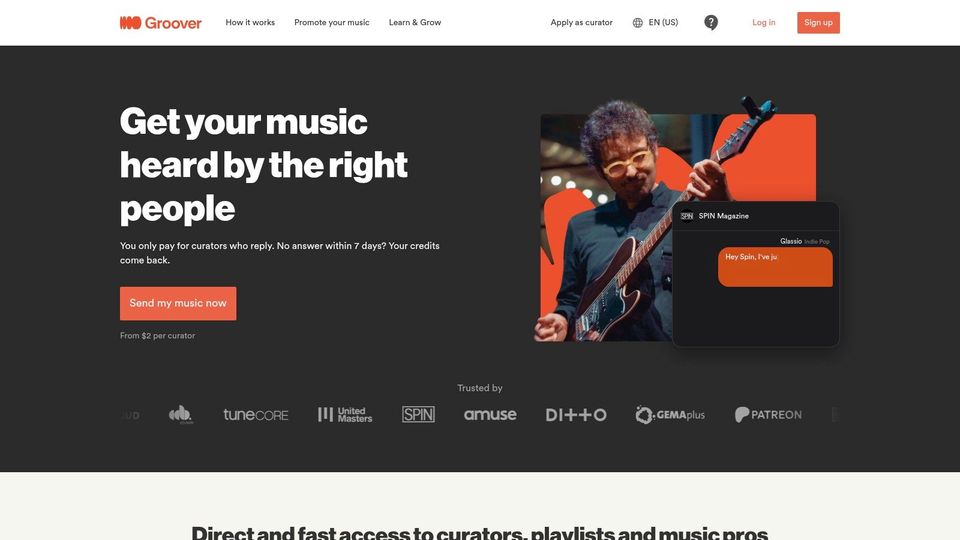
An artist who wants press, curator feedback, and other music opportunities needs a contact-selection step before checkout. Groover builds its submission path around that choice. Artists review profiles, select music professionals, and submit tracks using credits called Grooviz.
For your own storefront, the lesson is showing fit before asking for payment. State the genres you cover, the channels you run, and the service you're offering. An artist shouldn't have to pay to discover that you don't cover their style.
Groover is a pitching example rather than a calendar-first booking example. The artist chooses recipients, but that choice doesn't lock a premiere date or require a curator to publish.
Practical rule: Name what payment buys before the artist reaches checkout. Review, feedback, and publication are different services.
You should keep review costs separate from placement promises
The per-contact credit model makes the basic submission cost visible. It also means artists can spend more as they add recipients, without securing a positive response or placement. That's a real trade-off for a broad outreach campaign.
As a curator, don't label a review fee as a confirmed booking. If you offer paid publication after approval, explain that later handoff and show the available dates there.
Groover's strength is recipient choice across different music-industry contacts. Its limitation for a weekly premiere series is that a pitch still needs a publication workflow after acceptance.
Use it as a reference for clear profiles and guided selection. Don't assume it replaces your calendar, final artwork collection, or upload process.
4. SubmitHub makes recipient rules part of the submission path
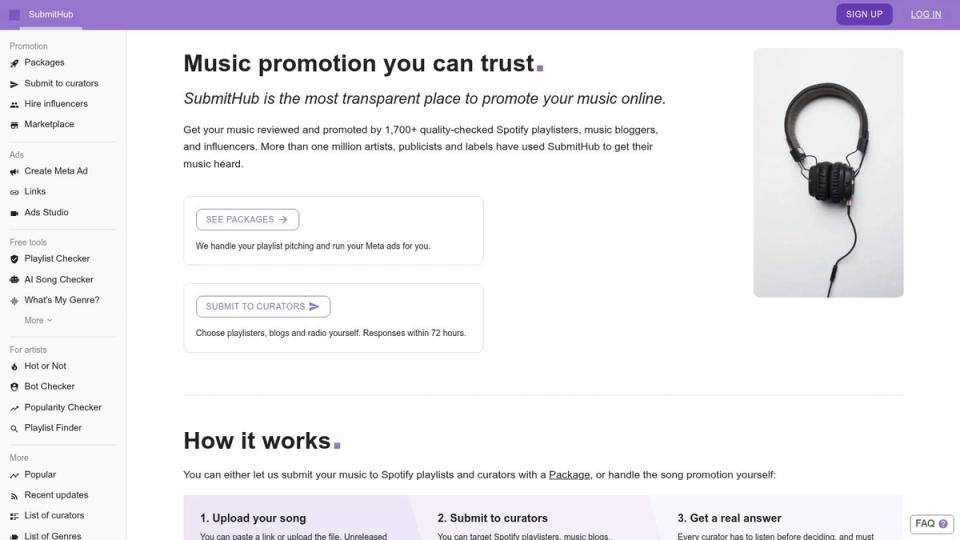
SubmitHub helps artists pitch blogs, SoundCloud and YouTube channels, influencers, and other curators. Artists compare recipient profiles and direct their submissions to chosen contacts. Curators receive those pitches through a structured review process.
The strongest lesson is putting submission rules beside the recipient. Your channel page should explain what you accept before an artist spends credits or sends a request. That reduces avoidable pitches and gives you a clear basis for rejection.
Paid submissions use credits, with costs varying by curator tier. Payment buys consideration or feedback, not guaranteed coverage, so it shouldn't be read as a reserved publication slot.
You need publication details after a positive review
For an artist planning indie music promotion, recipient fit matters more than sending the same pitch everywhere. A channel can suit the genre but still lack room near the release date. Ask about timing before building the rest of a campaign around expected coverage.
For the curator, acceptance should trigger a clear next step.
- Confirm the service: Tell the artist whether you're offering a premiere, repost, review, or another kind of coverage.
- Reserve the date: Put the agreed slot in the calendar rather than leaving it in a message.
- Collect final assets: Request the approved master and artwork through one defined route.
Before publishing, confirm authorization as well as file access. SoundCloud's upload guidance states that buying or downloading a track doesn't transfer permission to upload it.
SubmitHub is useful for structured consideration. It doesn't turn that consideration into an automatically scheduled premiere.
5. RepostExchange uses participation credits rather than direct slot booking
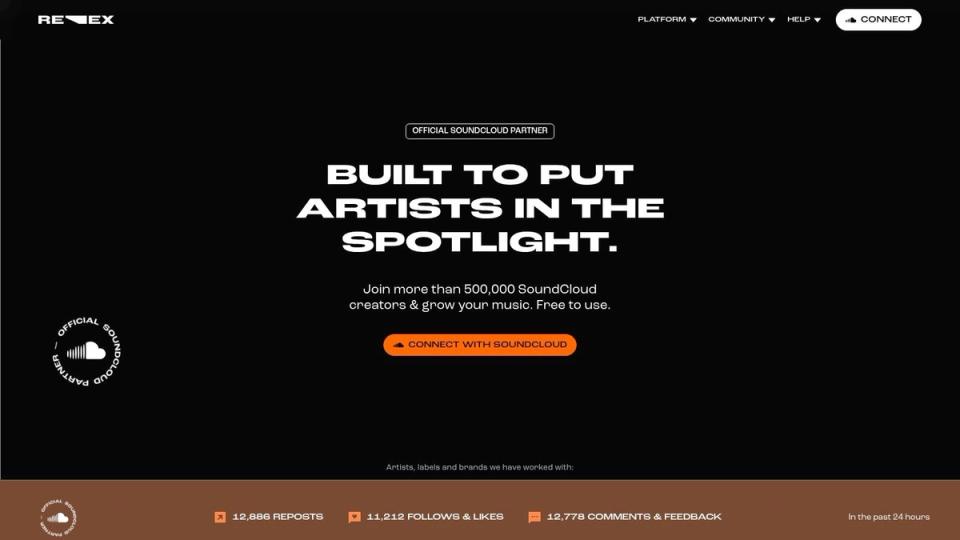
You already have a SoundCloud track online and want others to repost it. RepostExchange approaches that task through community participation. Members earn credits by reposting other users' music and use credits to promote their own tracks, with paid options also available.
That changes the booking path. The artist promotes an existing track through the community, rather than paying your channel directly for a defined date. There isn't the same handoff of an unreleased master, premiere artwork, and press text.
For an artist, the free entry option makes participation possible without paying for every promotion. The trade-off is time spent earning credits and the need to assess whether participating listeners fit the music.
You should distinguish repost activity from a scheduled placement
A SoundCloud repost service can use different delivery models. A reciprocal campaign and a direct channel booking may both produce reposts, but they don't give the artist the same control over who posts or when.
- What works: The SoundCloud focus keeps the promotion task clear.
- What requires care: Community participation doesn't guarantee meaningful reach or listener interest.
- What differs from booking: Credits support promotion activity, rather than reserving your own channel's publication slot.
If you sell direct reposts, state how you approve tracks and how the date becomes fixed. Don't leave the artist guessing whether they've bought a scheduled service or joined a wider campaign.
This example is worth studying for its focused task and participation model. It's less useful as a template for a premiere series where you need unpublished files and a tightly controlled release time.
6. Playlist Push separates campaign setup from curator placement
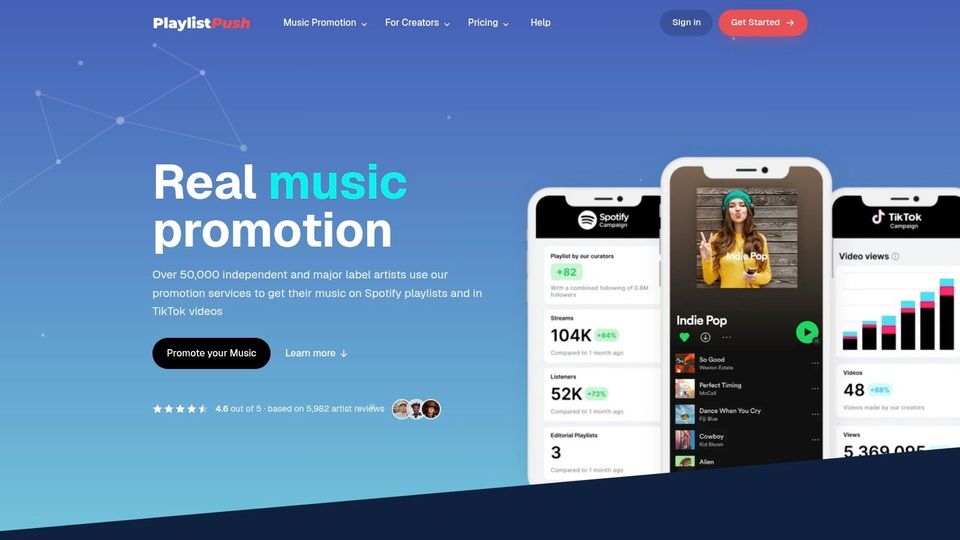
A campaign can have a start date without a confirmed placement. Playlist Push makes that distinction clear: artists provide track details, choose targeting and a budget, then receive campaign reporting for Spotify or TikTok promotion.
Curators decide whether to add a track. Paying for a campaign doesn't guarantee placement, and a campaign launch date doesn't reserve a SoundCloud premiere. For a curator's booking page, the useful lesson is to collect the information needed to assess a request without asking for a full publication package before approval.
Keep the campaign start date and publication date in separate fields when they mean different things.
You should explain what happens when a curator declines
Playlist Push suits artists seeking a managed campaign rather than a direct booking with a chosen premiere channel. Its campaign budget may be less suitable for an artist who needs only one specific promotion.
Show the total cost before payment. Explain how approval, rejection, cancellation, and rescheduling work, and state what happens if an artist changes the release date or misses an asset deadline. Clear terms help artists understand what they're paying for and what happens if the campaign doesn't proceed as planned.
Playlist Push is a useful example of campaign setup and reporting. Its launch controls aren't a booking calendar for your SoundCloud channel. Judge a booking path by who approves the request, where the audio and artwork arrive, and how the publication date gets locked.
7. SimplyBook.me makes available time the starting point
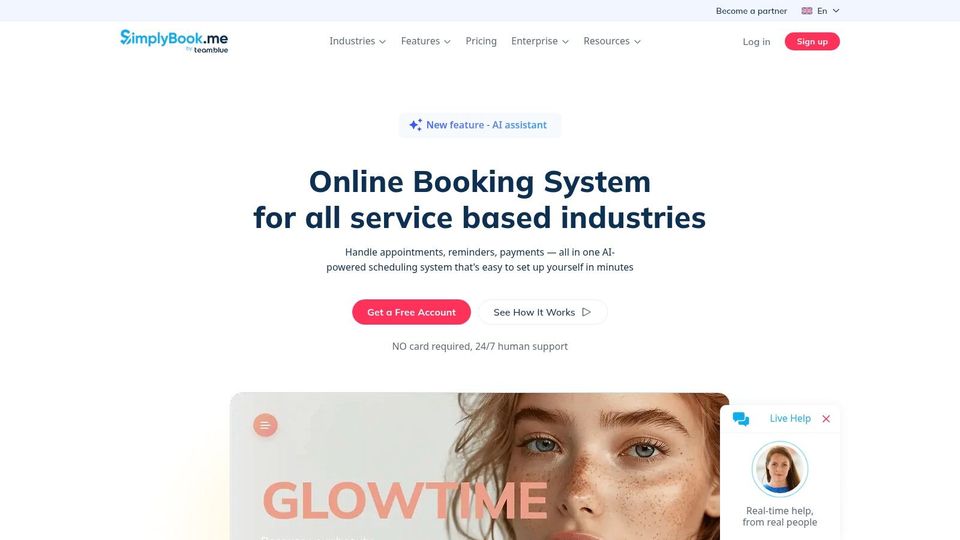
SimplyBook.me starts with the calendar. You set up services and providers, then give customers a booking website or embedded widget where they choose an open time instead of requesting a date by email.
That approach suits appointments with clear capacity. Show only the slots you can fulfil, and the calendar prevents customers from selecting unavailable times. A free-text date request leaves the scheduling decision for later.
For a music premiere, the booking path needs another step: the curator reviews the track before confirming publication. General appointment tools do not manage music review, release audio, artwork, or channel publishing, so those tasks may still require manual work or integrations.
You can copy appointment logic without copying the whole workflow
A booking page template should make the service, available times, and next steps clear. For a premiere, put the editorial decision before the date becomes a publication commitment.
Expedia offers another non-music example of online reservations. Its anniversary account describes a sale featuring popular destinations and vacation giveaways, illustrating how a booking site can present options and a clear reservation path. The lesson for curators is to make availability easy to understand while retaining review of the music.
- Best use: Study service selection and calendar booking.
- Main limitation: Music assets and publishing need their own defined route.
- Essential test: Complete the form using only a keyboard, including date selection and error correction.
Keyboard access matters as much as a clear calendar. AudioEye's hospitality accessibility audit found that 41% of audited travel and hospitality websites were difficult for keyboard-only users.
A calendar only helps if artists can use it.
How the seven booking websites compare on the features that matter to curators
| Item | Built for music releases | Free starting option | Automated publishing | Main workflow |
|---|---|---|---|---|
| Premierely | Yes, for music premieres and promotion | Free plan: unlimited free bookings and three paid bookings monthly | Yes, schedules and distributes approved releases | Artists book placements; curators approve; platform schedules and publishes |
| LabelRadar | For music demo submissions, not release promotion | Labels can use it for free; artist free allocation is available | No | Artists submit demos; labels review and respond |
| Groover | For pitching music to curators and professionals | No free option specified; submissions use credits | No | Artists choose contacts and submit tracks |
| SubmitHub | For pitching music to blogs, channels, and curators | No free option specified; paid submissions use credits | No | Artists select recipients and submit tracks for review |
| RepostExchange | For SoundCloud track promotion | Yes, with credit-based participation | No | Members earn credits by reposting and use them to promote tracks |
| Playlist Push | For Spotify playlist and TikTok promotion | No free option specified; paid campaigns | No | Artists set campaign targeting, budget, and launch date |
| SimplyBook.me | No, it is a general-purpose booking system | Yes, basic free tier | No | Customers book services through a website or widget |
Pick the booking path that saves you the most time
Before copying any of these booking website examples, ask who approves the request and who uploads the files afterward. Then check what reserves the date. A submission form, a campaign checkout, and a calendar solve different parts of the job.
For a weekly premiere series, review first and collect final assets after approval. Keep payment and booking status visible, so you don't mistake a paid request for accepted coverage. Use one calendar to control capacity rather than checking scattered message threads.
When you compare what to check in booking systems, follow a request through the whole path. Test a rejection, a moved release date, and an artist who sends files late. Those cases reveal whether you've reduced email work or only moved the first message into a form.
Does a free-only booking page still need a calendar?
Yes, because free placements still use publication space and your preparation time. A calendar lets artists choose available dates without asking you to compare schedules by email.
How do you stop bookings from landing on the same day?
Set the booking calendar's capacity to match your series. Test it from the artist's side and confirm that taking a slot removes that availability for the next booker.
Who keeps the final say over which tracks go out?
You should keep editorial approval. Show artists the difference between a submitted request and an accepted booking before they commit money or plan their release around your channel.
When should artists send audio and artwork?
Ask for a listening link during review, then collect publication files after acceptance. Check the final master, artwork, credits, and permission before publication, so an approved request doesn't become a rushed upload.
The useful takeaway is simple. Choose a booking path where approval, final files, and publication happen in that order, with no routine step waiting on your email.
Premierely offers a booking system for music curators that connects premiere and repost requests with approval, scheduling, and publication. Visit Premierely to set up your booking page, then test the artist's path from request to final asset upload before opening your next slots.